Avocado Dye: The Pink That Comes From the Part You Throw Away
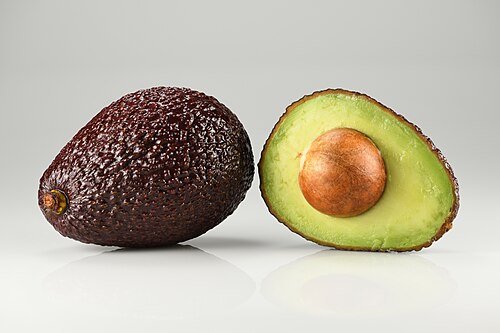
The first time someone mentions avocado dye, the response is usually skepticism, because avocados are green and the dye is pink. The color has nothing to do with the flesh and everything to do with the pits and skins, which most people have been composting their entire adult lives without knowing that they contain one of the more approachable and immediately rewarding natural dye sources available in a contemporary kitchen.
The pink is a surprise. It reads as genuinely pink on wool — not salmon, not orange, not beige — in the range of dusty rose to warm terracotta depending on how much dye material you use and whether you've done any mordanting. On silk it is brighter and more saturated, leaning toward a warm peach-rose. On cotton and linen, which need tannin pre-treatment to accept natural dyes, the color is paler but still present.
The compound responsible is not a single identified dye molecule but a complex of tannins and other phenolic compounds in the pits and skins. The skin tends to produce softer, pinker shades. The pits produce deeper, more terracotta-leaning tones. Using both together gives a combined bath that sits somewhere in the middle, and combining multiple pits and skins builds intensity.
Substantive and Simple
Like onion skin dye, avocado is substantive on protein fibers: it bonds to wool and silk without a mordant, which makes it unusually easy to use. Put your saved pits and skins in a pot with water, simmer for an hour, strain, add wet fiber, simmer again, and remove a pink object.
Mordanting shifts the color. Alum gives a cleaner, brighter pink. Iron saddens it toward a dusty mauve-gray, which is beautiful in a different direction. Copper shifts it toward a more salmon, warm-orange pink. For anyone building a natural dye palette, avocado plus iron afterbath can give a warm gray that is genuinely useful in combination with indigo blues and brown-range dyes from black walnut or madder.
Modernhaus follows the thread from raw fiber to finished fabric.
Explore the Textile Studio →Saving and Using
The practical logistics: avocado pits and skins can be saved from kitchen use and either used fresh or dried. Drying is straightforward — spread on a rack or paper towel for a few days. Dried material stores indefinitely. You need roughly the same weight of dye material as fiber for a medium depth of color; more material produces deeper, richer tones.
The skins need a bit of preparation — rough chopping helps extract more color. The pits are dense and benefit from rough crushing or chopping before the dye bath. The bath simmers to a deep rust-red liquid that looks nothing like the finished color on fiber, which is part of the cognitive dissonance of natural dyeing: the bath color and the fiber color are not the same thing.
Lightfastness is moderate. Avocado-dyed fiber will hold its color through reasonable washing and indoor light exposure, but extended UV exposure will shift the pink toward a more faded, peachy beige. This is better than turmeric, which degrades rapidly, but not in the exceptional class of black walnut or madder.
Why It's Had a Moment
Avocado dye has had a particular visibility in the natural dye revival of the past decade, and this is partly because it's a genuine zero-waste story — the dye comes from kitchen byproduct — and partly because the color is immediately appealing in a way that the more muted browns and khakis of many natural dyes aren't. The dusty pink range that avocado produces is on-trend in a way that connects to a broader aesthetic that values soft, natural, plant-derived color.
There's also the kitchen accessibility. You don't need a specialist supplier. You need avocados, which are in every grocery store, and patience to save the parts you'd otherwise discard. For anyone who is curious about natural dyeing but hasn't started yet, avocado is the clearest possible entry point: the materials are already in your kitchen, the process is simple, and what comes out is pink.
The wool you end up with has a warmth and depth that synthetic pink doesn't quite match. Natural pink has a quality of looking like it belongs to the fiber itself rather than being applied to the surface. Whether that's chemistry or perception is hard to separate, but the effect is real: avocado-dyed wool looks like the sheep ate very well.