Cutch Dye: The Warm Brown That's Also a Mordant
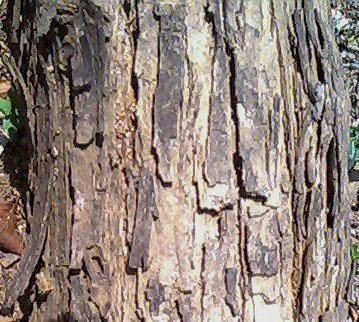
Acacia catechu is a thorny tree that grows across South Asia from Pakistan to Sri Lanka and east into Southeast Asia. It has been used in the Indian subcontinent for at least two thousand years: as a medicine (the tannin-rich extract is astringent and has documented antimicrobial properties), as a chewing tobacco additive (betel quid traditionally contains catechu extract alongside the betel leaf and areca nut), and as a dye and tanning agent in textile production.
The extract — called cutch, catechu, or gambier depending on the source and processing — contains catechins and tannins at high concentrations. These compounds are the same class of molecules that give tea its astringency and red wine its tannin structure, and in the right molecular weight range they bond readily to both protein and cellulose fibers without the mordant step that most natural dyes require.
The color cutch produces is in the warm brown family: a rich, reddish-brown on fresh application that ages and washes toward a warm tan or khaki. On wool and silk the fresh color is distinctly warm and reddish; on cotton and linen (which the tannins bond to directly) the color is similar in character. The lightfastness is good to very good, comparable to black walnut but in a different color register.
Dye and Mordant at the Same Time
The property that made cutch particularly useful in Indian and Southeast Asian textile traditions is that its tannin content allows it to function both as a dye and as a tannin pre-mordant for other dyes. Cellulose fibers like cotton and linen bond most natural dyes poorly without a tannin pre-treatment, because the cellulose surface lacks the chemical attachment points that protein fibers have naturally. Tannins bridge this gap.
When a cotton cloth is treated with cutch before indigo dyeing or before mordanting with alum, the cutch tannins modify the fiber surface in a way that improves subsequent dye uptake. In traditional Indian block printing and discharge printing, cutch was used both for its own brown color and as a surface preparation agent. In Indonesian batik and related traditions, catechu from gambier (a related species) served similar functions.
This dual role, coloring and mordanting, made cutch economically valuable in textile regions where cotton was the dominant fiber. Wool-dyeing regions of Europe had alum mordanting well established and didn't need tannin preparation; cotton-dyeing regions of South and Southeast Asia needed the tannin step, and cutch provided it while also contributing color.
Modernhaus follows the thread from raw fiber to finished fabric.
Explore the Textile Studio →In the Dye Bath
Working with cutch today typically means using the dried extract, which is available from natural dye suppliers as dark brown chips or powder. It dissolves readily in warm water to produce a deep reddish-brown bath.
Without mordant on wool or silk: warm reddish-brown, moderately dark. With alum mordant: slightly cleaner, more orange-tinged brown. With iron: the brown saddened toward a dark khaki-gray. With copper: slightly warmer, more complex brown. The iron modification in particular is useful for creating dark, neutral tones that anchor a palette without going all the way to black.
On cotton with tannin pre-treatment (or using cutch itself as the pre-treatment): similar brown range but softer and somewhat less saturated than on protein fibers. Cotton cutch in combination with iron mordant produces a deep, warm near-black that was historically used in Indian textile production for dark grounds in block-printed fabric.
The Khaki Connection
The word "khaki" comes from the Urdu and Hindi word for "dust" or "soil-colored," and the khaki color that became the standard military field uniform color from the 1840s onward was originally produced in South Asian textile traditions using cutch and iron mordant combinations. British colonial forces in India adopted khaki for field dress because it was the color that local textile production could supply, and because it was effective camouflage in the dusty terrain of the subcontinent.
The specific cutch-and-iron dye recipe that produced military khaki was later replicated with synthetic dyes as synthetic dye chemistry matured, but the original color came from the same plant that had been dyeing cotton in the region for two thousand years. Madder red, indigo blue, and cutch brown between them cover most of the warm color range that defined textile production in the preindustrial world. Cutch is the least known of the three in the contemporary natural dye revival, and it shouldn't be.