Soda Firing Pottery: The Salt Glaze Alternative That Doesn't Make Chlorine Gas
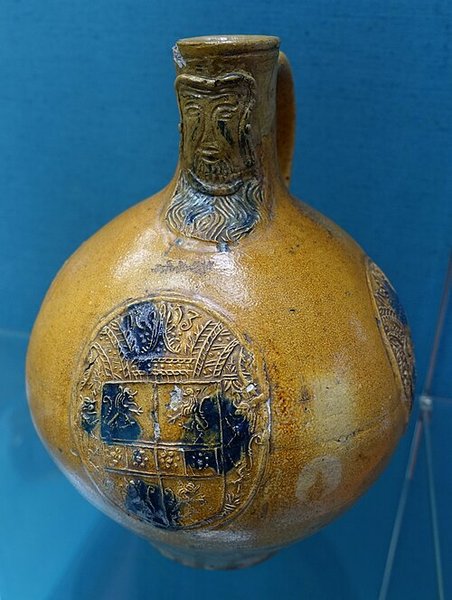
Salt glazing is one of the oldest atmospheric firing techniques in European ceramics: you fire the kiln to cone 10 or higher, throw sodium chloride (table salt) into the kiln through ports in the wall, the sodium volatilizes and combines with silica in the clay body to form a sodium silicate glaze, and the resulting surface has a characteristic orange-peel texture, warm orange-brown color, and atmospheric variations that a conventionally glazed pot never has.
The problem is the chlorine. When salt vaporizes at kiln temperature, it releases hydrochloric acid, which vaporizes and exits through the flue. This is corrosive to the kiln structure, to nearby metal, and to the lungs of anyone working in the vicinity without proper ventilation. Historic salt glaze workshops were located outside town centers partly because of this, and operating a salt kiln in a contemporary urban ceramic studio raises obvious issues.
Soda firing was developed in the 1970s, primarily by potters at the San Diego campus of what was then the California Institute of the Arts, as an alternative that produced comparable surface effects without the chlorine. The technique uses sodium carbonate or sodium bicarbonate (baking soda) dissolved in water, sprayed into the kiln at peak temperature with a garden sprayer through the spy holes or burner ports. The sodium volatilizes and acts on the clay surface in the same way as salt, but the byproduct is carbon dioxide and water rather than hydrochloric acid.
What the Surfaces Look Like
Soda-fired pots have a family resemblance to salt-fired pots: the orange-peel texture in glaze-free areas, the color flashing where sodium-rich atmosphere created lighter and darker areas on the clay body, the areas of brilliant color where slips or glazes interacted with the soda vapor. But soda and salt produce surfaces that experienced potters can distinguish.
Salt tends to produce heavier, more pronounced orange-peel texture and slightly more uniform coverage. Soda is softer and more variable: the flashing is more dramatic, the coverage less even, and the resulting pots often show a wider range of surfaces within a single firing. Whether this variability is a feature or a challenge depends on what you're going for, but many potters who have worked with both describe soda as the more nuanced and less predictable of the two.
The clay body matters significantly. High-silica stoneware bodies flash more dramatically than low-silica ones. Iron-bearing clays produce warm orange and brown tones in the flashed areas; white or low-iron bodies can produce blues and greens where cobalt or other colorants are present in the slip or clay. Terra sigillata over stoneware in a soda kiln produces subtle metallic surfaces that catch light differently from every angle.
Modernhaus follows the thread from raw fiber to finished fabric.
Explore the Textile Studio →What Goes In
The sodium solution is typically mixed at around 250-350 grams of sodium carbonate per liter of water. The amount introduced depends on the kiln size and the desired effect. Too little and you get minimal surface development; too much and the sodium builds up in the kiln atmosphere to a point where everything in the load is heavily coated and individual pot surfaces become uniform rather than variable.
Timing matters. Soda is typically introduced when the kiln reaches peak temperature — around 1280-1300°C for stoneware. Multiple small introductions over thirty to sixty minutes allow the sodium to distribute through the kiln atmosphere more evenly than a single large introduction.
Kiln packing affects results significantly. Pots positioned closer to the ports or burners receive more direct sodium exposure. Pots in the back of the kiln rely on circulation. Shelves and kiln furniture act as barriers, creating areas of different atmospheric density. Experienced soda firers develop an understanding of their specific kiln's behavior over many firings.
The Community
Soda firing is primarily a North American phenomenon, developed there and practiced most widely there, though it has spread internationally through ceramics education. It sits within the tradition of high-fire atmospheric firing that also includes raku pottery and wood firing, and the potters who practice it tend to share an aesthetic orientation toward surface variation, material honesty, and the idea that the marks of the firing process should be visible rather than concealed.
The pots that come out of a soda firing look made in a way that is different from conventionally glazed pottery: the surfaces are complex and unrepeatable, each piece a specific result of its position in a specific firing. This is either the appeal or the challenge, and for most people who fire with soda it is clearly both.