Osage Orange Dye: The Brightest Yellow in the North American Hedgerow
Osage orange is named for the Osage Nation of the central United States, and for the orange-like fruit it produces. The fruit is not an orange and is not edible: it is a large, knobbly, pale green sphere about the size of a softball, full of a milky sap, with a faint citrus smell that does not correspond to any actual citrus flavor. Squirrels eat it. Almost nothing else does. Many people know the tree only as the source of these conspicuous inedible fruits that appear on sidewalks and roadsides in autumn across a wide swath of North America.
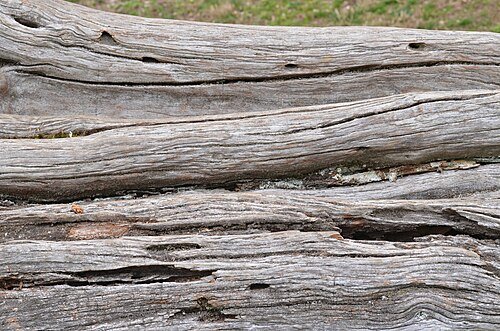
What makes Maclura pomifera extraordinary to natural dyers is the heartwood: a bright yellow-orange wood so dense and hard that it was the preferred bow-making timber of Plains Indians, and so resistant to rot that fence posts made from it last for generations in the soil. The heartwood contains morin, a flavonoid dye compound with exceptionally good lightfastness. Yellow natural dyes are generally less lightfast than reds and blues, which is why weld was the premium yellow of medieval Europe and why turmeric is used knowing it will fade. Osage orange yellow is different: properly mordanted, it can hold its color for years without significant degradation.
The Dye from Wood, Not Fruit
The dyeing material is the heartwood, not the fruit. The fruit contains some dye compounds but not in useful concentrations for fiber dyeing. The heartwood is typically available as chips or sawdust from woodworking operations or specialty natural dye suppliers. It is a dense, orange-yellow wood that chips with difficulty.
The dye bath: cover the chips with water, simmer for an hour or more, strain, add mordanted fiber. The bath runs a brilliant yellow-orange that looks almost artificial in its saturation. On alum-mordanted wool it produces a clear, warm yellow-gold — not as orange as the wood chips suggest, but with more depth and warmth than many other natural yellows.
Mordant response: alum gives the clearest yellow. Iron shifts it toward a warm khaki-olive. Copper produces a slightly greener, more complex yellow. The mordant shifts are useful for building a palette around the osage orange base, and the iron-modified version in particular sits well in combination with indigo blues.
Modernhaus follows the thread from raw fiber to finished fabric.
Explore the Textile Studio →The Hedge Apple History
In the 1840s and 1850s, osage orange was planted in enormous quantities as a living hedge across the Great Plains. The tree is thorny, grows fast, tolerates drought and poor soil, and can be cut back hard and still regrow. Before barbed wire, a densely planted osage orange hedge was about the most effective field boundary available on the treeless prairie.
The US government and agricultural organizations promoted "osage orange hedges" as the solution to the fencing problem that was preventing the settlement of the prairie. Hundreds of thousands of miles of hedgerow were planted. When barbed wire was patented in 1874 and became widely available in the late 1870s, the osage orange hedge program was abandoned almost overnight, but the trees remained. Many of the trees in the long rows along former field boundaries in the central United States today are descendants of those 1840s plantings.
This history gives osage orange dye an interesting connection to North American agricultural and land-use history. The trees that provide the heartwood chips for contemporary natural dyers are often the same hedgerow trees that defined the landscape of the Great Plains settlement period.
In the Natural Dye Palette
Black walnut gives the best lightfast brown. Madder gives the best lightfast red. Indigo gives the best lightfast blue. Osage orange is a strong contender for the best lightfast yellow, and that's a less crowded category than it might sound.
The goldenrod, onion skin, and chamomile yellows that most dyers start with are more accessible and easier to source, but their lightfastness is variable. For textiles intended for long-term use or display, osage orange heartwood is worth the extra effort of finding and preparing it. The color is warm, clear, and genuinely durable, and that combination is harder to find in the plant world than the other primary dyeing colors.
It is also a specifically North American material in a way that connects it to Indigenous textile traditions that predate European contact. The Osage, Cherokee, and other nations of the central and eastern United States used the tree for bows, tools, and dye. The contemporary natural dye revival that uses osage orange chips is working with a material whose dyeing properties were understood long before the first European arrived to see the tree and name it, inaccurately, after an orange.