Natural Dyeing

Discover 25 posts about natural dyeing
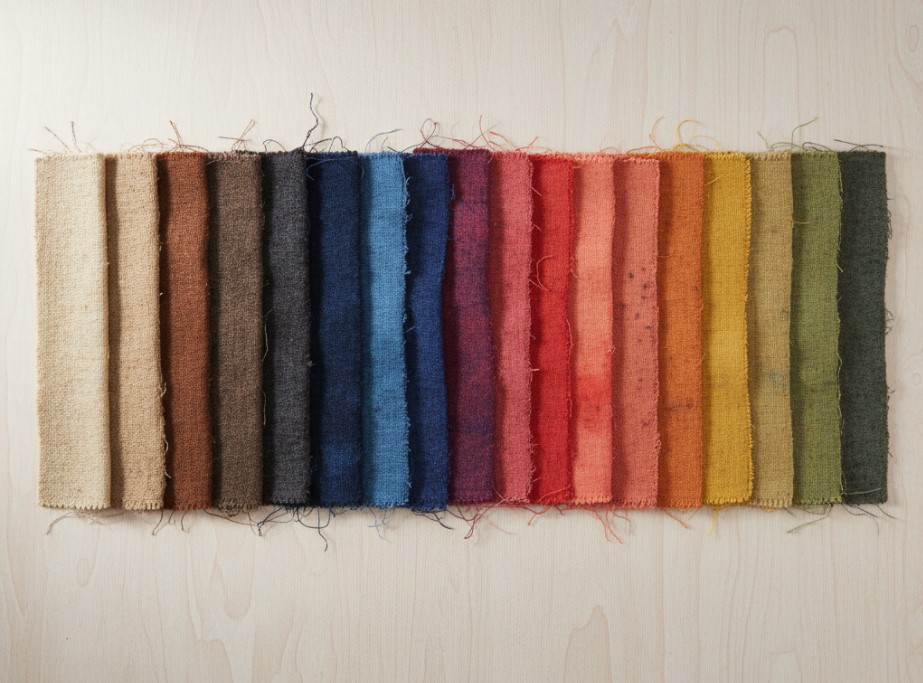
Natural Dye Red: Madder, Cochineal, and the Color That Built Empires
Natural Dyeing

Natural Dye Red: Madder, Cochineal, and the Color That Built Empires

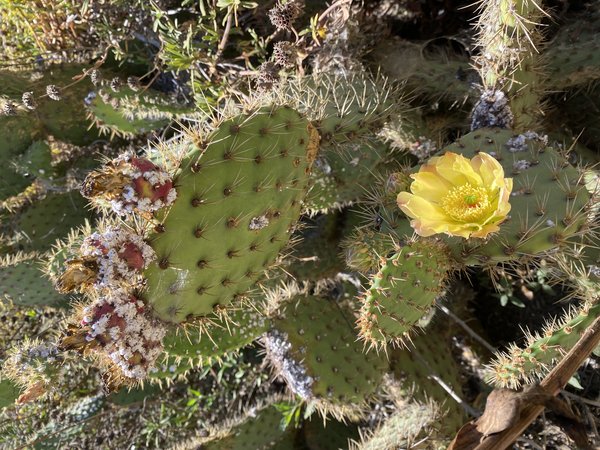
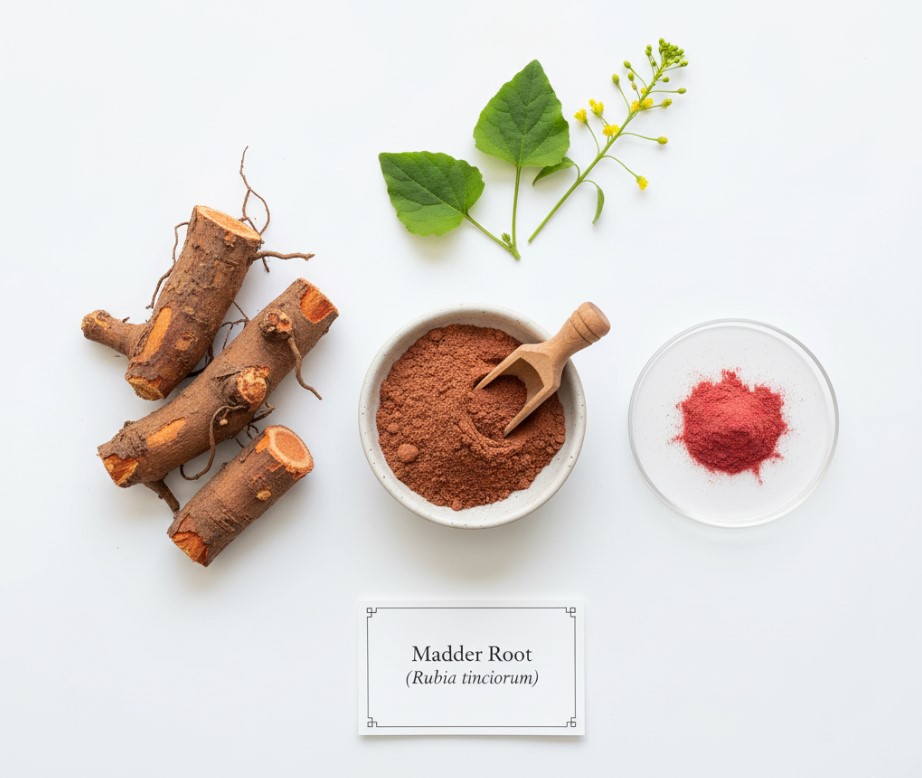
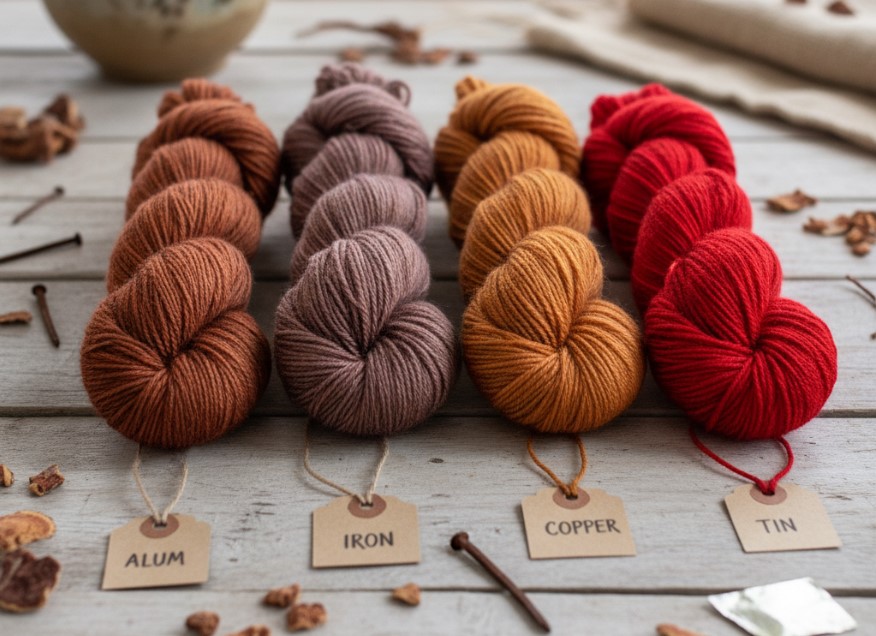
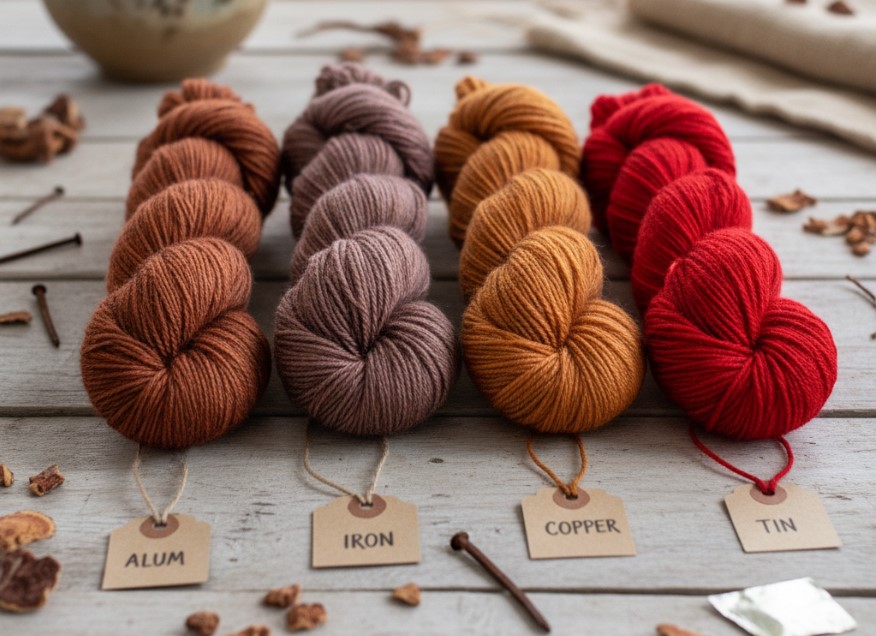
Red was the most economically significant natural dye color for most of recorded history. Madder root and cochineal insect produced the two dominant reds — one from the ground, one from a cactus-feeding bug — and both drove trade, war, and fraud on a global scale.

April 14, 2026
Cutch Dye: The Warm Brown That's Also a Mordant
Natural Dyeing

Cutch Dye: The Warm Brown That's Also a Mordant

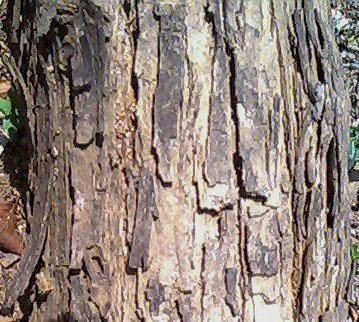
Cutch is extracted from the heartwood of Acacia catechu, a tree native to South and Southeast Asia. It produces warm browns and khakis on most fibers, works without a mordant, and has been used in Asian textile traditions for centuries both as a dye and as a fixative for other colorants.

March 28, 2026
Cutch DyeNatural Dye
Osage Orange Dye: The Brightest Yellow in the North American Hedgerow
Natural Dyeing

Osage Orange Dye: The Brightest Yellow in the North American Hedgerow

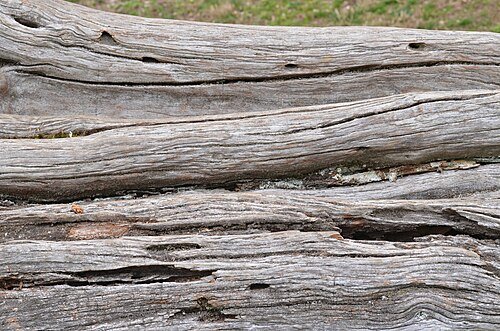
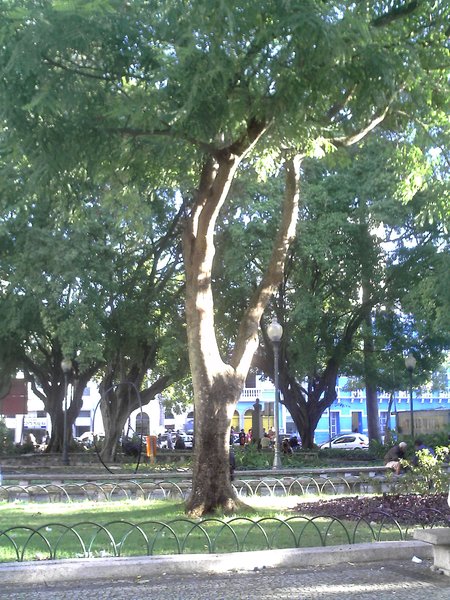
Osage orange trees were planted as living fences across the Great Plains in the 19th century. The wood is extraordinarily hard, the fruit inedible, and the heartwood chips produce one of the most lightfast yellows in natural dyeing — a warm, clear gold that holds its color for years.
March 26, 2026
Osage Orange DyeNatural Dye
Avocado Dye: The Pink That Comes From the Part You Throw Away
Natural Dyeing

Avocado Dye: The Pink That Comes From the Part You Throw Away

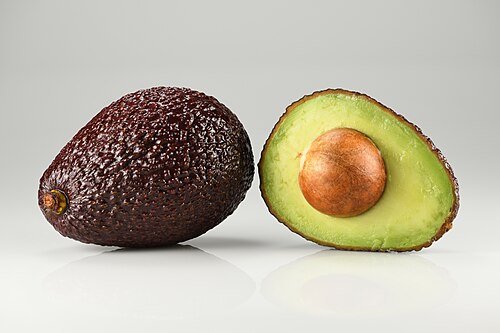
Avocado pits and skins produce a warm, dusty pink to deep terracotta on protein fibers — with no mordant required. The color has nothing to do with the green flesh and everything to do with the tannins hiding in the parts most people put in the compost.

March 22, 2026
Avocado DyeNatural Dye
Pomegranate Dye: The Rind That Does Three Jobs at Once
Natural Dyeing

Pomegranate Dye: The Rind That Does Three Jobs at Once

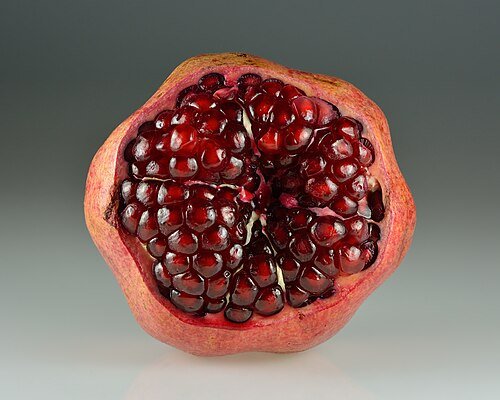
Pomegranate juice, the part everyone drinks, does almost nothing useful in a dye bath. The rinds — the thick outer skin that most of us throw away — are one of the most useful materials in natural dyeing: acting as mordant, dye, and tannin pre-treatment all at the same time.

March 8, 2026
Pomegranate DyeNatural Dye
Brazilwood Dye: The Tree That Named a Country
Natural Dyeing

Brazilwood Dye: The Tree That Named a Country

Brazil is named after a dye. When Portuguese sailors arrived on the coast of South America in the early 1500s, they found trees whose red heartwood matched Asian sappanwood, already a valuable dye commodity. They called it pau-brasil, and the territory eventually took the tree's name.

March 6, 2026
Brazilwood DyeNatural Dye
Goldenrod Dye: The Yellow That Gets Blamed for Ragweed's Crimes
Natural Dyeing

Goldenrod Dye: The Yellow That Gets Blamed for Ragweed's Crimes

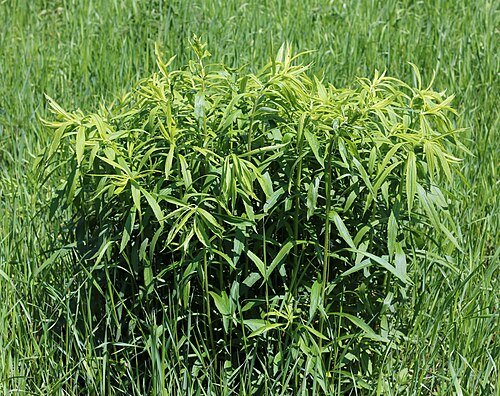
Goldenrod has been blamed for hay fever for over a century. It doesn't cause hay fever. Ragweed causes hay fever. Goldenrod flowers at the same time, is far more visible, and has been taking the blame ever since. What goldenrod actually produces is one of the warmest, most reliable yellows in the natural dye plant world.

March 4, 2026
Goldenrod DyeNatural Dye
Black Walnut Dye: The Brown That Never Lets Go
Natural Dyeing

Black Walnut Dye: The Brown That Never Lets Go

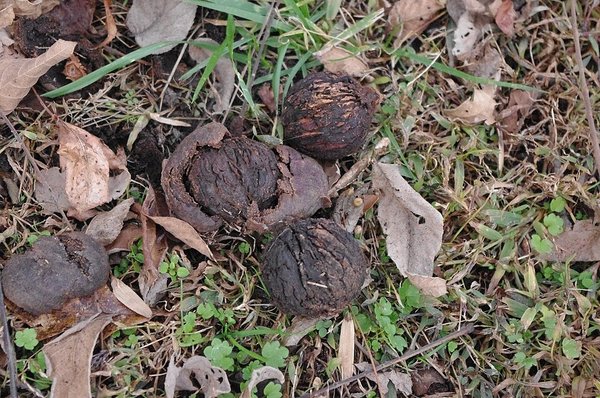
Black walnut hulls produce one of the most permanent browns in natural dyeing, with no mordant needed and lightfastness that outlasts almost everything else. The compound responsible is also toxic to horses and lethal to most plants in the vicinity.

February 26, 2026
Black Walnut DyeNatural Dye
Oak Gall Ink: The Ancient Recipe That's Still Eating the Documents It Wrote
Natural Dyeing

Oak Gall Ink: The Ancient Recipe That's Still Eating the Documents It Wrote

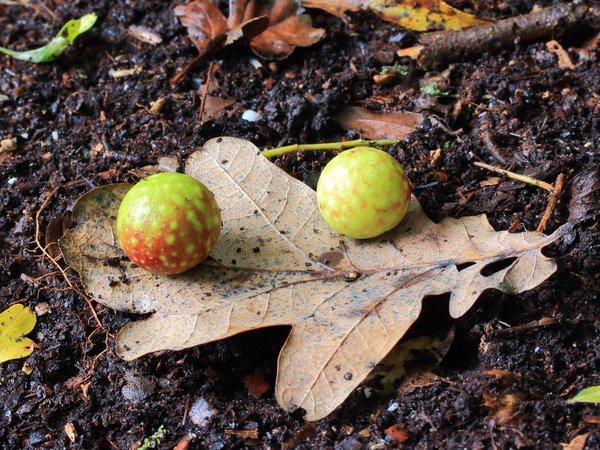
The ink that wrote the Magna Carta, most of Beethoven's manuscripts, and the notebooks of Leonardo da Vinci is corrosive. It has been slowly consuming the documents it preserved for eight centuries, and conservators are still working out how to stop it.

February 24, 2026
Oak Gall InkNatural Dye
Eco Printing Fabric: When a Leaf Leaves Its Ghost on Cloth
Natural Dyeing

Eco Printing Fabric: When a Leaf Leaves Its Ghost on Cloth

Bundle a eucalyptus leaf into wet silk, steam it for an hour, and unwrap something that looks like a botanical illustration made by the plant itself. Eco printing is one of the stranger and more beautiful things you can do with a pot of water.

February 16, 2026
Eco PrintingBotanical Printing
Turmeric Dye: The Yellow That Fades and Everyone Uses Anyway
Natural Dyeing

Turmeric Dye: The Yellow That Fades and Everyone Uses Anyway

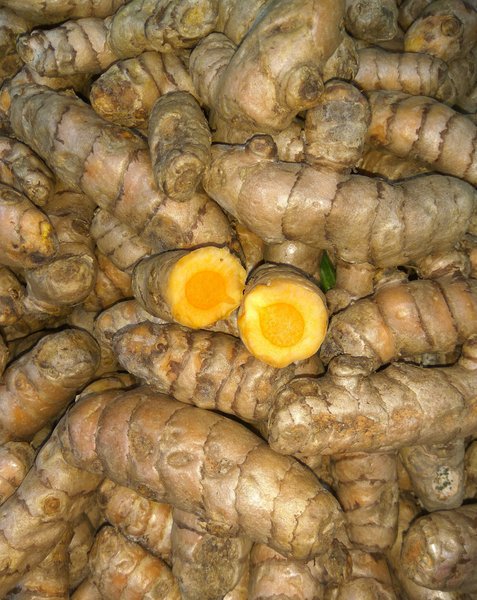
Buddhist monks have worn turmeric-dyed robes for over two thousand years. The color fades in sunlight. Ancient Indian textile manuals warned about it. Nobody stopped using it, because the yellow it produces is unlike anything else.

February 14, 2026
Turmeric DyeNatural Dye
Onion Skin Dye: The Gold You've Been Throwing Away
Natural Dyeing

Onion Skin Dye: The Gold You've Been Throwing Away

Yellow onion skins are one of the most reliable natural dyes available, and most of us have been composting them for years. No special equipment, no exotic mordant, just the papery husks from the kitchen and some wool and water.

February 12, 2026
Onion Skin DyeNatural Dye
Japanese Indigo: The Fermentation Vat That Takes Months to Build
Natural Dyeing

Japanese Indigo: The Fermentation Vat That Takes Months to Build

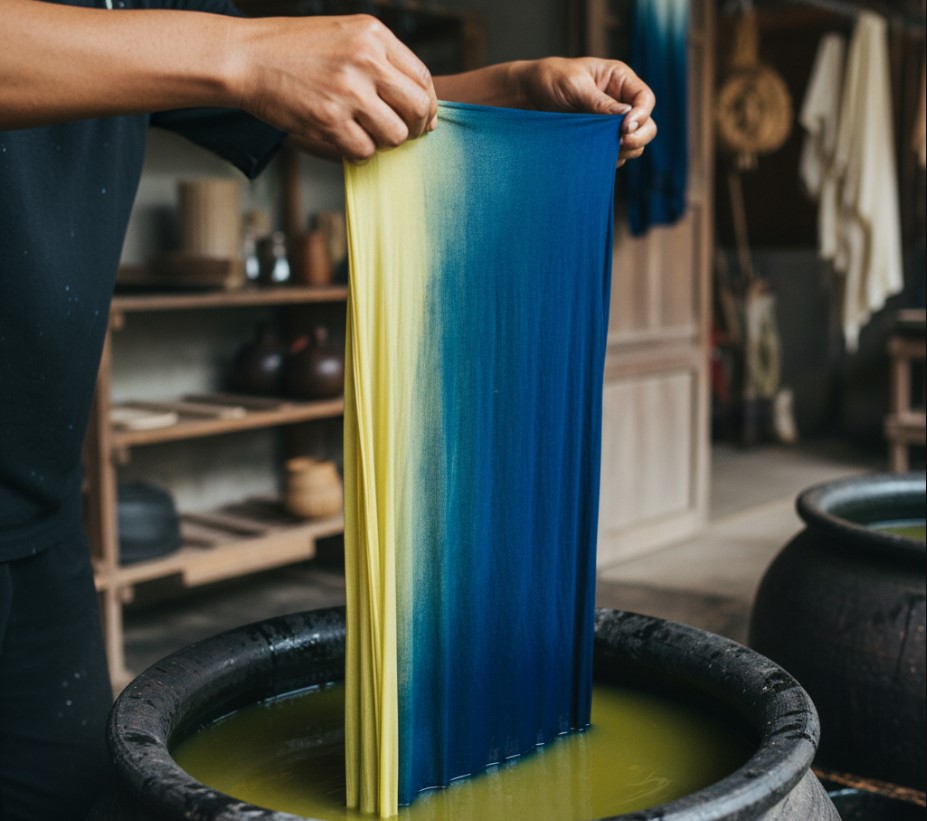
In Tokushima Prefecture, dyers still make sukumo: a fermented indigo paste that takes three months to produce and creates a blue that synthetic indigo hasn't been able to fully replicate in a century of trying.

February 10, 2026
Japanese IndigoShibori
Natural Blue Dye: Why Blue Was the Hardest Color to Get onto Fabric
Natural Dyeing

Natural Blue Dye: Why Blue Was the Hardest Color to Get onto Fabric

Blue was everywhere in nature: sky, sea, certain flowers. Getting it onto fabric and making it stay was a problem that took centuries to solve. The solution changed trade routes, funded wars, and built entire cities.

February 8, 2026
Natural DyeBlue Dye
Cochineal Dye: The Insect Spain Kept Secret for 200 Years
Natural Dyeing

Cochineal Dye: The Insect Spain Kept Secret for 200 Years

For two centuries, European merchants desperately tried to identify the source of Spain's brilliant red dye. They guessed berries, seeds, even fish eggs. It was a tiny insect living on a cactus, and Spain wasn't telling.

February 6, 2026
CochinealNatural Dye
Madder Dye: The Root That Coloured the Ancient World Red
Natural Dyeing

Madder Dye: The Root That Coloured the Ancient World Red

The plant root that dyed Egyptian mummy wrappings, the British Redcoats, and the carpets of the Ottoman Empire, and whose entire European cultivation industry collapsed within a decade of a single chemistry paper published in 1869.

January 27, 2026
Madder DyeNatural Dyeing
Woad Dye: The Plant That Coloured Medieval Europe Blue
Natural Dyeing

Woad Dye: The Plant That Coloured Medieval Europe Blue

The blue dye plant that built prosperous cities in medieval France, whose replacement by imported indigo was punishable by death under Henry IV, and which Julius Caesar may or may not have seen on Britons' bodies.

January 25, 2026
Woad DyeNatural Dyeing
Natural Dye Mordants Explained: The Chemistry (and History) Behind Permanent Color
Natural Dyeing

Natural Dye Mordants Explained: The Chemistry (and History) Behind Permanent Color

The word comes from the Latin for 'to bite.' In 1462, a dyer who'd survived the fall of Constantinople recognized alunite in the Tolfa hills and told the Pope he'd found a victory over the Turks. This is the history and chemistry of the metal salts that make natural color stick.

January 23, 2026
Natural Dye MordantsNatural Dyeing
Shibori Dyeing: Japan's Thousand-Year Tradition of Shaped Resist
Natural Dyeing

Shibori Dyeing: Japan's Thousand-Year Tradition of Shaped Resist

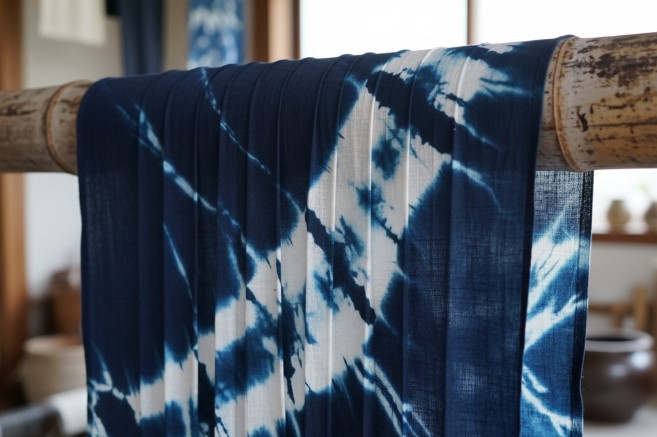
The Japanese dyeing tradition that produces six entirely different pattern families from the same indigo vat, depending entirely on how you fold, bind, stitch, or wrap the cloth before it touches the dye.

January 21, 2026
Shibori DyeingJapanese Textiles
Natural Dyes in Danish Modern Textiles: Madder, Indigo, and Walnut
Natural Dyeing

Natural Dyes in Danish Modern Textiles: Madder, Indigo, and Walnut

The warm neutrals and deep blues that defined 1950s-60s Danish interiors came from specific plant chemistry. Madder alizarin, indigo fermentation vats, and walnut juglone created the Scandinavian color palette.

November 2, 2025
Danish modernnatural dyes
The Natural Dyer's Toolkit: Why Your Pot Choice Affects Color
Natural Dyeing

The Natural Dyer's Toolkit: Why Your Pot Choice Affects Color

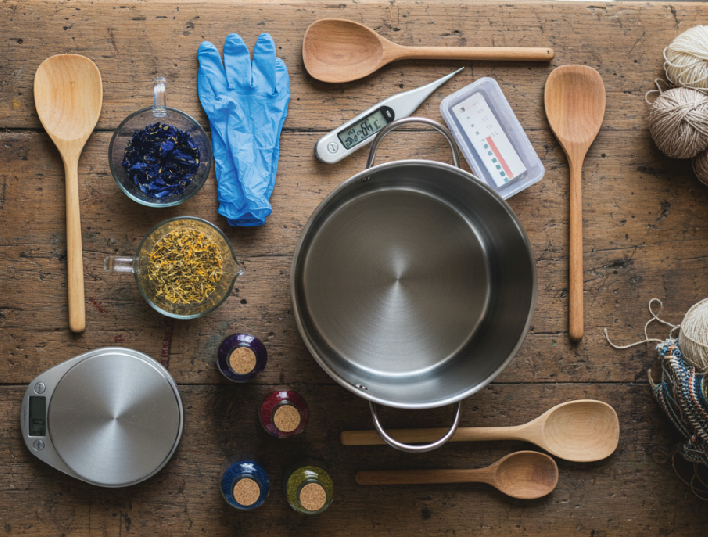
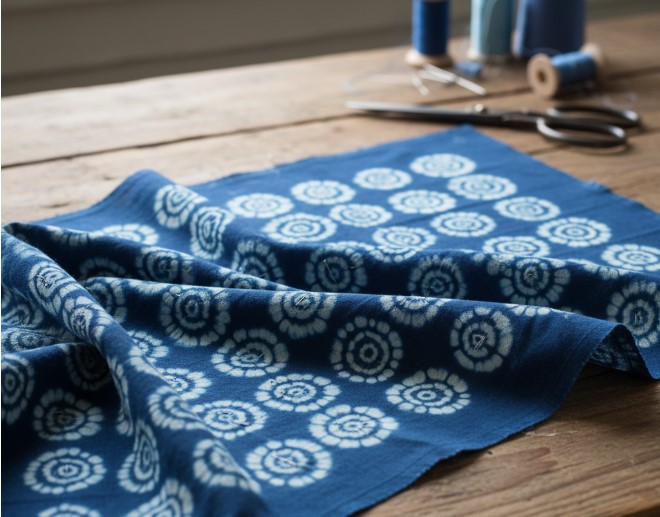
Natural dyeing requires specific equipment: stainless steel pots that won't react with dyes, pH strips for indigo vats, thermometers for temperature control, and dedicated tools that never touch food again.
October 23, 2025
dyeing equipmentnatural dyes
Why Wool Felts and Cotton Doesn't: Natural Fiber Behavior Explained
Natural Dyeing

Why Wool Felts and Cotton Doesn't: Natural Fiber Behavior Explained

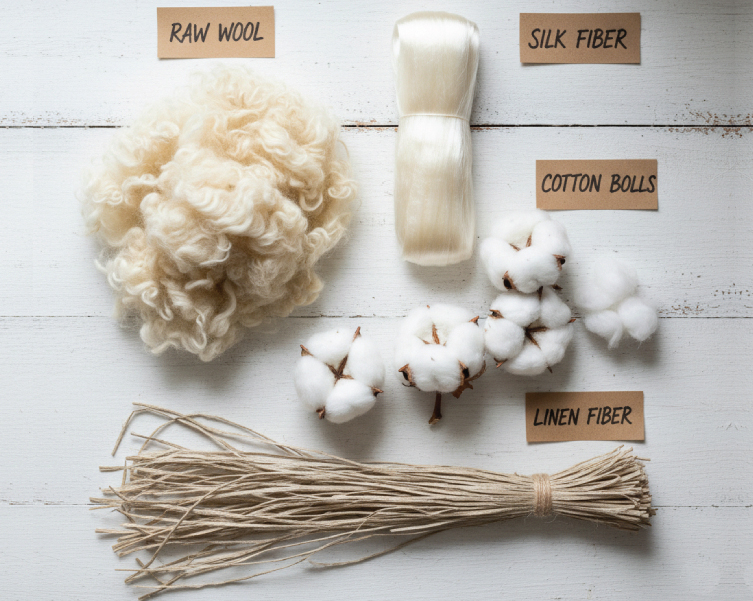
Wool felts and takes dye easily. Cotton resists both. Silk is strong and lustrous. Linen is stiff until it softens. Each natural fiber behaves differently on the loom, in the dye bath, and in finished textiles.

October 23, 2025
natural fiberswool
The Natural Dye Color Wheel: What Actually Makes Each Hue
Natural Dyeing

The Natural Dye Color Wheel: What Actually Makes Each Hue

From avocado pits that create pink to black beans that produce blue, natural dye sources create colors that often surprise. Here's what actually produces which hues, and why the source material doesn't always match the resulting color.

October 23, 2025
natural dyesplant dyes
Resist Dyeing Techniques: Creating Patterns with Natural Dyes
Natural Dyeing

Resist Dyeing Techniques: Creating Patterns with Natural Dyes

Resist dyeing creates patterns by blocking dye from reaching certain areas of fabric. Here's how different cultures developed techniques from wax to stitching to create designs that couldn't exist any other way.

October 23, 2025
resist dyeingshibori
The Reality of Indigo: What Makes It Different
Natural Dyeing

The Reality of Indigo: What Makes It Different

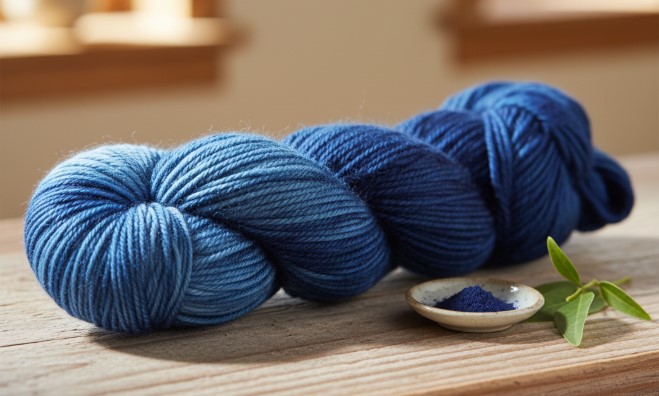
Indigo is the only natural dye that requires fermentation to work. Here's why this blue pigment has its own category in dyeing, and what makes the process so different from every other natural dye.

October 23, 2025
indigonatural dyes