Eucalyptus Dye: Rust, Gold and Copper Without a Mordant
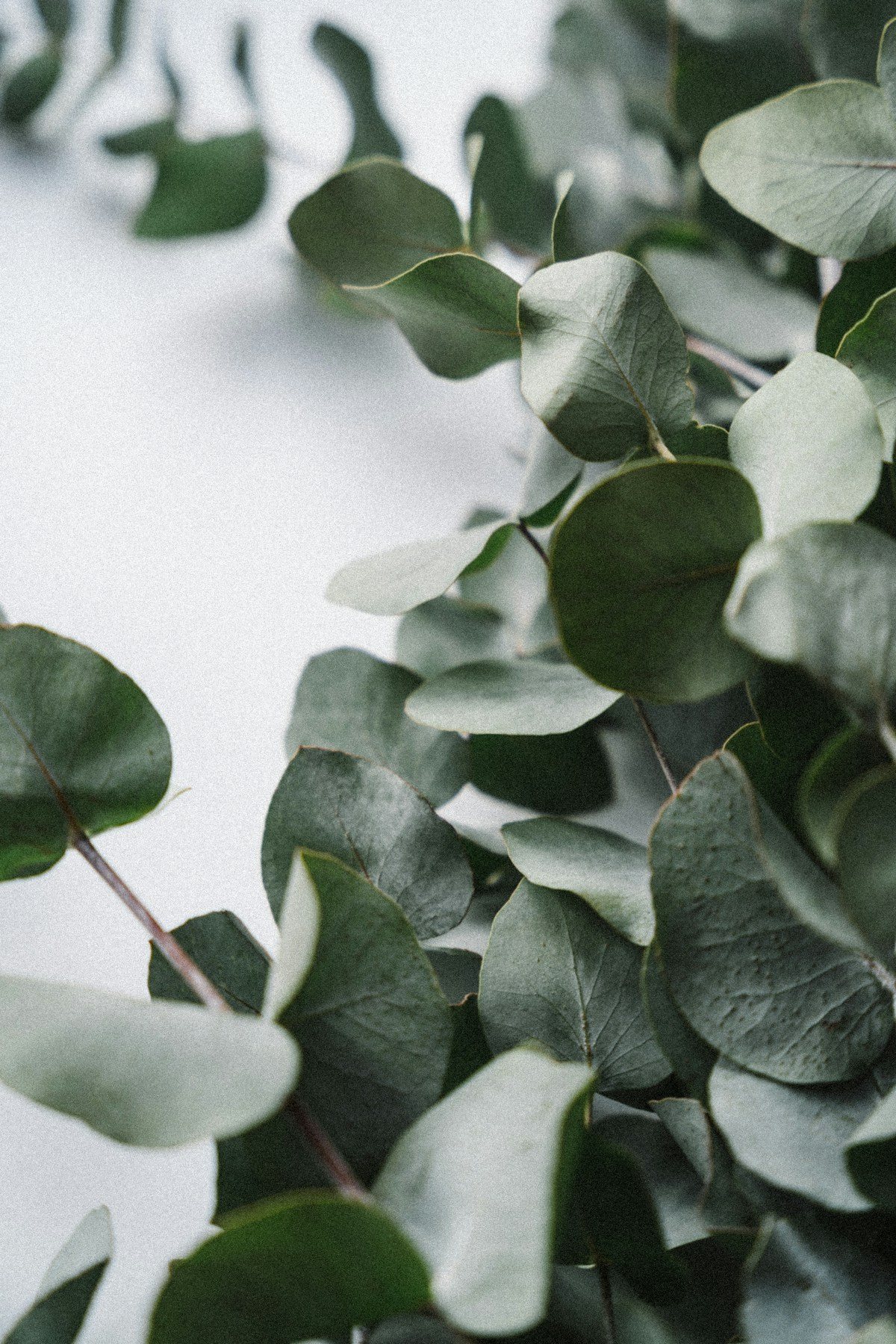
Most natural dyes need help. You pre-mordant the fiber with alum or iron, and the mordant creates the chemical bridge that lets the dye bond permanently. Eucalyptus is different: it contains tannins naturally, in quantities high enough that protein fibers — wool, silk — will often accept the dye directly without a separate mordanting step. The tannins do the work themselves.
This makes eucalyptus unusually accessible as a dye plant, particularly if you're just starting out with natural dyeing. There's no mordant chemistry to get wrong. You simmer the plant material, strain it, add the fiber, and see what happens. What happens is usually quite good.
Which Species
This matters more than with many dye plants. Eucalyptus is a vast genus — over seven hundred species native to Australia, and many now planted throughout southern Europe, California, South Africa, and elsewhere as street trees, windbreaks, and timber plantations. Different species give genuinely different colors, sometimes dramatically so.
Eucalyptus cinerea — the silver dollar eucalyptus, with the rounded blue-grey leaves used in floral arrangements — gives warm amber and gold tones and is one of the most commonly available for dyers outside Australia. Eucalyptus camaldulensis (river red gum) and Eucalyptus globulus (blue gum, the most widely planted species globally) give deeper rust and copper tones. Bark generally gives stronger, deeper color than leaves across most species.
If you have access to a eucalyptus tree, try bark, leaves, and seed pods separately: they'll give different results from the same tree. Fallen material works perfectly — there's no need to cut living branches.
Modernhaus follows the thread from raw fiber to finished fabric.
Explore the Textile Studio →The Dye Bath
Use roughly equal weight of plant material to fiber as a starting ratio, though more material always means deeper color. Simmer the eucalyptus in water for an hour, then strain. The liquid will range from pale gold (fresh young leaves) to deep rust-orange (bark or older material).
Add your wet fiber directly — no mordant needed for wool and silk, though an alum mordant will deepen and shift the color slightly if you want to use one. Heat gently to around 80°C and hold for an hour. Wool that goes in looking undyed comes out warm ochre, rust, or copper depending on the species and the part of the plant used.
For cotton and linen, which don't grab tannin-based dyes as readily as protein fibers, a tannin pre-soak (oak gall solution, or a strong tea bath) before the eucalyptus dye bath improves uptake significantly.
Iron Modifier
Iron shifts eucalyptus dyes toward khaki, olive, and dark greenish-brown — often beautiful, though the shift can be strong. Add an iron modifier (ferrous sulfate solution, or a jar of old nails in water, left for a week or two) after dyeing rather than during, so you can control the depth of the shift. A brief dip gives a gentle change; a longer soak takes the color much darker.
The iron-shifted tones from eucalyptus are particularly useful for earthy, natural palettes: the colors sit alongside natural blue dye and undyed natural wool in a way that feels coherent and deliberately connected to the material.
Eco Printing
Eucalyptus leaves are a staple of eco printing — the process of bundling damp leaves directly against fabric, rolling the bundle tightly, and steaming it so the leaf prints its shape and color directly onto the cloth. Eucalyptus leaves give particularly strong, clear prints: the tannin content means they adhere well, and the shapes of different species — long and narrow, round and silver, gum-leaf pointed — produce beautiful varied impressions.
For eco printing, eucalyptus leaves on a protein fiber (silk and wool are ideal) produce warm rust and copper prints with crisp outlines. Adding a small amount of iron water to the steaming bath shifts the prints darker and adds variety across the bundle.
Lightfastness
Eucalyptus dyes are generally reasonably lightfast, particularly the deeper tones from bark on wool. The color shifts slightly over time — often mellowing from rust toward warm brown — but doesn't fade dramatically in the way that some plant dyes do. For practical textile use, the colors are stable enough for clothing and soft furnishings that aren't in constant direct sunlight.
The other thing worth noting: eucalyptus dye smells extraordinary while it's simmering. Like a steam room, or a cold morning in an Australian forest. Some people dye with it partly for that reason.