Verner Panton: The Dane Who Refused to Be Restrained
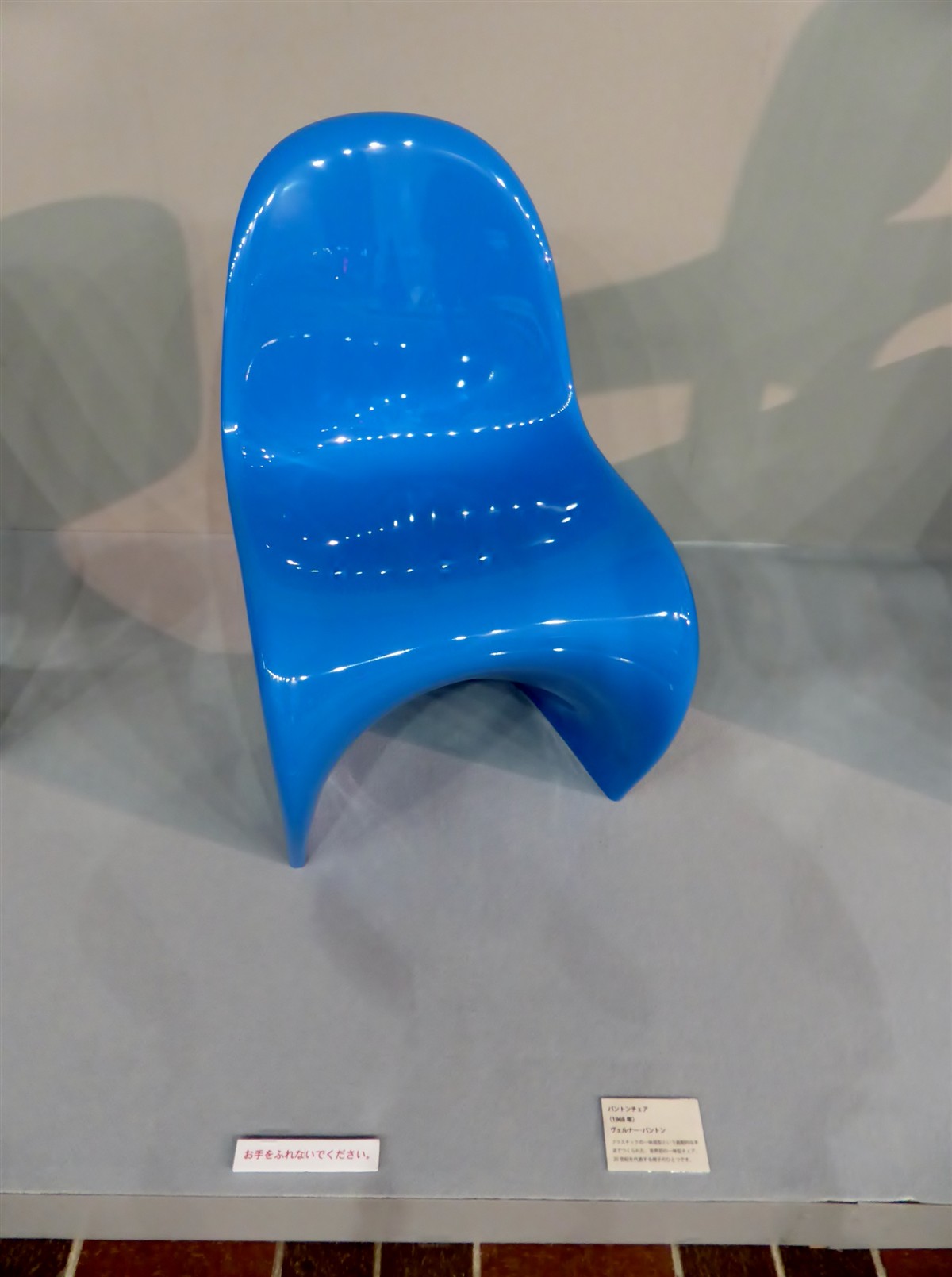
In 1960, Verner Panton designed a chair that nobody could figure out how to make. The design was simple in concept: a single continuous S-curve of material, no legs, no joints, cantilevered so the sitter's weight was carried entirely through the bend of the form. It was beautiful, it was completely coherent, and for eight years it sat in prototype because the manufacturing technology to produce it in plastic didn't quite exist yet.
The Panton Chair finally went into production in 1968, manufactured by Vitra, and it became one of the most recognized chairs of the twentieth century. It was the first single-piece cantilevered chair ever made from plastic — a form that had been theoretically possible for decades but that nobody had committed to solving. Panton committed. Then he waited.
The Odd One Out
Panton was Danish, born in 1926, trained at the Royal Danish Academy of Fine Arts, and he spent several years early in his career working in Arne Jacobsen's studio. You can imagine the contrast: Jacobsen making the Egg Chair and Swan Chair with their careful organic forms and restrained upholstery; Panton wanting to fill entire rooms with electric purple and cascading plastic spheres.
He left Denmark for Switzerland in the late 1950s and never really came back. The Scandinavian design establishment of the time was rooted in craft, natural materials, functionalism as a quiet virtue. Panton believed in all of those things, but he didn't believe the future had to look like the past. He thought plastic was beautiful. He thought color was not decoration but information — that the colors of a room affected how you thought and felt, and that most rooms were not doing nearly enough with that possibility.
Where Ettore Sottsass later made color and pattern into a kind of productive provocation with Memphis, Panton arrived at the same territory a decade earlier and from a more earnest place. He wasn't being ironic. He genuinely thought the psychedelic interior was the correct answer to the problem of human habitation.
Modernhaus documents mid-century modern design history in one place.
Explore the Design Archive →Visiona 2
In 1970, the German chemicals company Bayer commissioned Panton to design an interior for their boat at the Cologne Furniture Fair. The boat became Visiona 2: a walk-through environment of soft continuous surfaces, everything upholstered in deep reds and purples and oranges, the floor and ceiling merging into each other through curved foam forms, op-art textiles on every surface, fiber-optic lights embedded in the walls.
You walked through it and felt like you'd entered the interior of something living. There were no corners. The conventional boundary between furniture and architecture — between the thing you sit on and the room it's in — had been dissolved entirely. Visitors either loved it or found it deeply uncomfortable, which was probably the right response either way.
Panton textile designs from the same period — repeated geometric forms in strong colors, op-art patterns that vibrate at the edges — are now as recognizable as the chair. They were designed to do something to your visual system, not just to look attractive from across the room.
The Cone Chair and Others
The Panton Chair is the one everyone knows, but the work before it is worth spending time with. The Cone Chair from 1958 is a cone of sheet metal on a single central base, the sitter perched inside the cone like an egg in a cup. It's impossible and comfortable and looks like nothing else made in 1958.
The Heart Cone Chair from the same year uses a heart-shaped cone, which sounds like it shouldn't work and somehow does. The Bachelor Chair from 1955 was made from a single piece of fabric over a metal frame.
What they all share is a commitment to the single gesture: the fewest possible components, the most resolved possible form. In that sense Panton was exactly as Danish as his more restrained contemporaries — the discipline was the same; what differed was the vocabulary.
Rediscovery
Panton's reputation went through a quiet period in the 1980s and 1990s as postmodern design moved away from the space-age optimism he represented. It came back strongly in the 2000s when that optimism started looking interesting again rather than naive. The Panton Chair never stopped being produced. The textiles were reissued. Visiona 2 was reconstructed and exhibited.
He died in 1998 in Copenhagen, not long after attending a dinner in his honor at a restaurant that had used his designs throughout. He had spent his career in exile from the Scandinavian design world, which spent his career being slightly unsure what to do with him. The feeling was probably mutual. Both parties were right about the important things; they just didn't agree on what those things were.