Hibiscus Dye: The Pink and Purple That Changes with pH
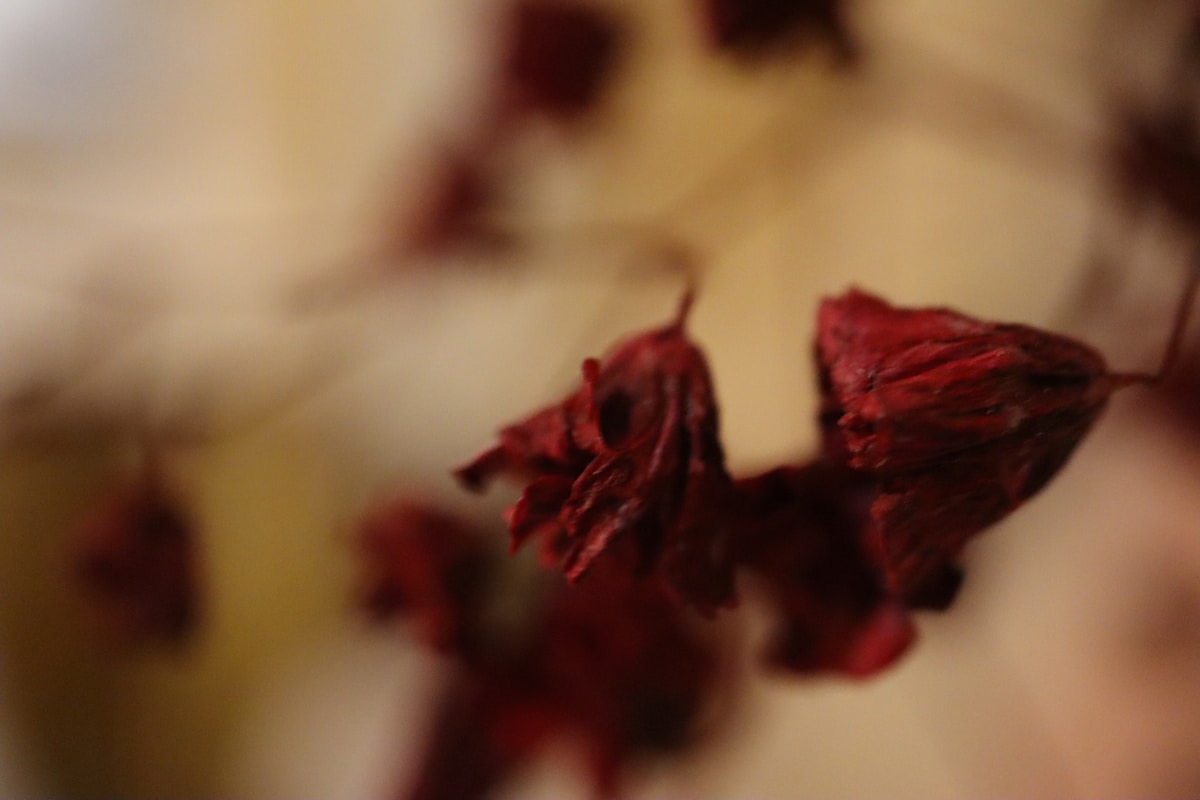
Pink and purple are genuinely difficult in natural dyeing. The classic plant dye palette runs heavily toward yellows, oranges, rusts, and tans — the colors of tannin, iron, and the warm end of the spectrum. Getting to pink or purple without resorting to synthetic dyes requires either madder (which gives more coral and salmon than true pink), cochineal (expensive and derived from insects), or hibiscus, which is the most accessible and produces colors that shift from deep berry-pink to purple depending on how you work with it.
The plant in question is Hibiscus sabdariffa — roselle hibiscus — specifically the dried calyces (the fleshy part around the seed pod after the flower falls). These are the same deep crimson-purple pieces sold as hibiscus tea, or used to make agua de Jamaica throughout Mexico and Central America. A bag of dried hibiscus from a tea shop or health food store is all you need to get started.
The Dye Bath
Hibiscus is a simple dye to extract. Simmer the dried calyces in water for 20–30 minutes — the water turns an immediate, deep burgundy-red. Strain out the plant material and you have a dye bath. The depth of color will depend on how much hibiscus you've used: more calyces mean a deeper, more saturated result.
Pre-mordant your fiber with alum for the best color uptake on wool and silk. On protein fibers with an alum mordant, hibiscus gives a strong rose-pink to deep raspberry, depending on concentration. Without mordant, the color is weaker but still present. On cotton and linen, results are more muted and the lightfastness is lower still — hibiscus works best on wool and silk.
Add the mordanted, wet fiber to the dye bath and heat gently to around 70–75°C. Don't boil wool in hibiscus — high heat dulls the color and damages the fiber. Thirty to forty-five minutes is usually sufficient for good uptake.
Modernhaus follows the thread from raw fiber to finished fabric.
Explore the Textile Studio →The pH Shift
This is where hibiscus gets interesting. The dye contains anthocyanins — the same pigment family responsible for the colors of red cabbage, blueberries, and most blue and purple plant colors — and anthocyanins are strongly pH-sensitive. In an acidic environment, they go red and pink. In an alkaline environment, they go blue, purple, and even green.
In practice: add a small amount of white vinegar or citric acid to the dye bath and the color shifts toward brighter pink-red. Add a small amount of baking soda or soda ash and watch it move toward purple, and at higher alkalinity, toward blue-grey or khaki green.
You can play with this during dyeing — dye the fiber in a neutral bath first, then dip it briefly in an acidic rinse for pink, or an alkaline rinse for purple. The shifts happen quickly. Doing this with a small test skein before committing a full batch is wise: the exact colors vary with the hardness of your water and the fiber you're using.
Lightfastness
Here's the honest conversation: hibiscus is not lightfast. Anthocyanin dyes are notoriously sensitive to light, and hibiscus is no exception. On wool in direct sunlight, expect the color to fade noticeably within months. In indirect light — a cushion away from a window, a garment worn occasionally rather than daily — the fade is slower but still present.
This puts hibiscus in the category of dyes that are worth using when the color matters more than the permanence, or when you're willing to re-dye periodically. For sampling, for exploring pH shifts, for making something beautiful that you understand will change over time — it's wonderful. For a wool blanket you want to look the same in ten years, madder or weld is a better choice for your reds and yellows.
The Japanese natural dye tradition has a concept called iro-no-chi — the life of a color — that treats the fading and changing of natural dyes as part of what they are rather than a defect. A hibiscus-dyed piece that starts deep raspberry and softens to dusty rose over a few years is not a failed dye job; it's the dye living its full life. Whether that framing appeals to you is a personal thing. But it does make hibiscus easier to love.
Combining Colors
Hibiscus pink over a base of onion skin yellow gives warm coral tones. Hibiscus over a light indigo base gives purple — and with the alkaline pH shift, can move toward a dusty blue-purple that's quite distinct from straight indigo. These combinations are less lightfast than either dye alone, but for decorative textiles or sampling work they produce colors that are genuinely difficult to achieve any other way in natural dyeing.