Weaving

Discover 22 posts about weaving
Pick-Up Stick Weaving: Unlocking Pattern on a Simple Loom
Weaving

Pick-Up Stick Weaving: Unlocking Pattern on a Simple Loom

A pick-up stick is a flat, pointed tool used to manually select individual warp threads and create a supplementary shed. It lets weavers working on simple looms produce pattern structures — floats, lace, mock twill — that the loom's basic heddle cannot make on its own.

April 11, 2026
Backstrap Loom: The Body as Part of the Machine
Weaving

Backstrap Loom: The Body as Part of the Machine

A backstrap loom uses the weaver's own body as a tensioning device. One end of the warp attaches to a fixed point — a tree, a post, a door handle. The other end wraps around the weaver's lower back. Tension comes from leaning away.

April 8, 2026
Inkle Loom: The Narrow Band Loom That Fits on a Desk
Weaving

Inkle Loom: The Narrow Band Loom That Fits on a Desk

An inkle loom weaves narrow bands — belts, straps, trim, bookmarks — using a warp-faced plain weave. The entire surface of the finished band is made up of warp threads. The weft is invisible. Pattern comes from how the warp is threaded.

April 5, 2026
Twill Weave: The Structure Behind Denim, Herringbone, and Harris Tweed
Weaving

Twill Weave: The Structure Behind Denim, Herringbone, and Harris Tweed

Twill is a weave structure where weft threads pass over and under multiple warp threads in a progression that creates a diagonal line across the fabric. Denim is a twill. So is herringbone, gabardine, and most of the Harris Tweed ever made.

April 2, 2026
Soda Firing Pottery: The Salt Glaze Alternative That Doesn't Make Chlorine Gas
Weaving

Soda Firing Pottery: The Salt Glaze Alternative That Doesn't Make Chlorine Gas

Soda firing produces the flashing, orange-peel surfaces and atmospheric effects of salt glazing without introducing chlorine into the kiln. It was developed in the 1970s as a less toxic alternative, and it has its own distinct aesthetic that salt firing can't quite replicate.

March 24, 2026
Soda Firing PotteryCeramics
Terra Sigillata: The Ancient Roman Slip That Makes Its Own Glaze
Weaving

Terra Sigillata: The Ancient Roman Slip That Makes Its Own Glaze

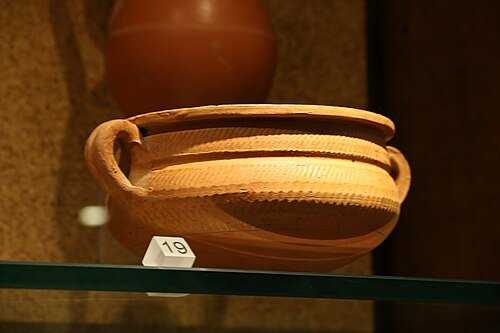
Terra sigillata is a highly refined clay slip that, when burnished and fired, produces a surface so smooth and dense it appears glazed without any glaze at all. The Romans used it to make tableware that spread across the empire. Studio potters use it because it does things that glazes can't.

March 20, 2026
Terra SigillataCeramics
Tablet Weaving: The Bronze Age Technique That Makes Patterned Bands Without a Loom
Weaving

Tablet Weaving: The Bronze Age Technique That Makes Patterned Bands Without a Loom

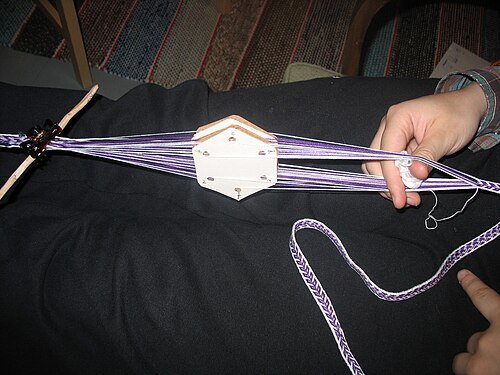
Tablet weaving uses small cards with holes instead of a loom. Twist the cards, pass the weft, twist them back — and a patterned band emerges from the interaction of card rotations. The technique is at least 3,000 years old and produces structures that floor looms can't replicate.

March 18, 2026
Tablet WeavingFiber Arts
The Lucet: A Two-Pronged Tool That Makes Cord You Can't Buy Anywhere
Weaving

The Lucet: A Two-Pronged Tool That Makes Cord You Can't Buy Anywhere

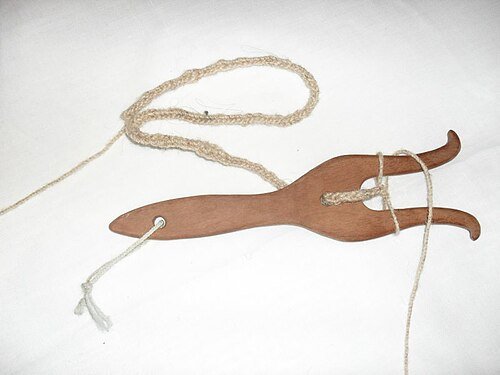
A lucet is a small forked tool, two prongs and a handle, that makes a square, braided cord through a figure-of-eight loop technique. It's been around since at least the 18th century and produces something that machines genuinely can't replicate.

March 12, 2026
LucetFiber Arts
Raku Pottery: Two Traditions That Share a Name and Almost Nothing Else
Weaving

Raku Pottery: Two Traditions That Share a Name and Almost Nothing Else

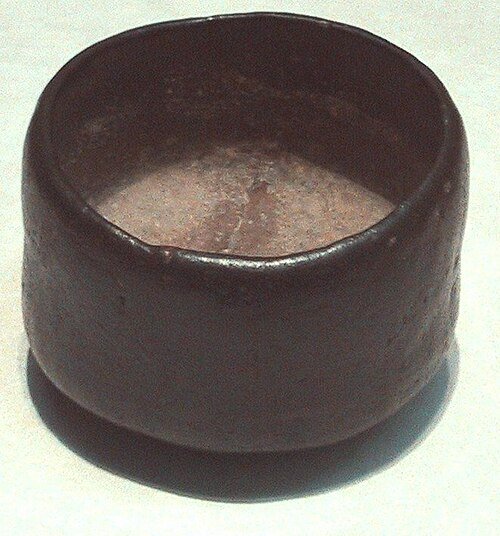
Traditional Japanese raku is a 450-year-old tea ceremony tradition made by one family in Kyoto, slow and meditative, fired at low temperature in a small clay kiln. Western raku involves tongs, a rubbish bin full of newspaper, and open flames. They are completely different things.

March 10, 2026
Raku PotteryCeramics
Ikat Weaving: The Textile That Begins With Dye and Ends With a Blur
Weaving

Ikat Weaving: The Textile That Begins With Dye and Ends With a Blur

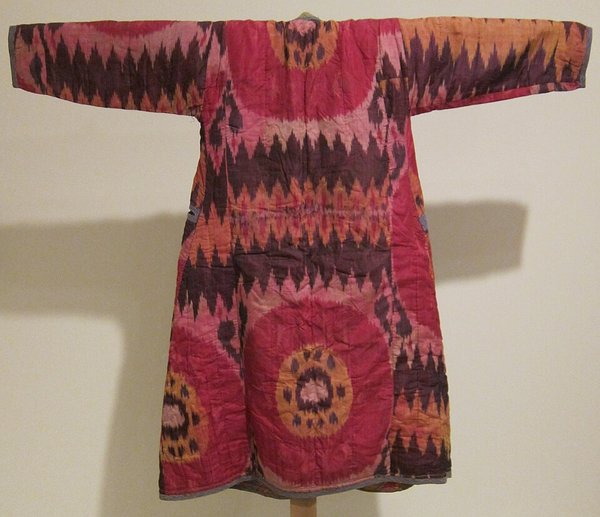
In ikat, the dyeing happens before the weaving. Threads are bound and dyed in patterns first, then arranged on the loom. As weaving proceeds, the pattern emerges from the intersections of pre-dyed thread, slightly blurred at every edge, in a way that no other textile technique can replicate.

February 28, 2026
Ikat WeavingTextile History
Nalbinding: The Ancient Textile Technique That Predates Knitting by Thousands of Years
Weaving

Nalbinding: The Ancient Textile Technique That Predates Knitting by Thousands of Years

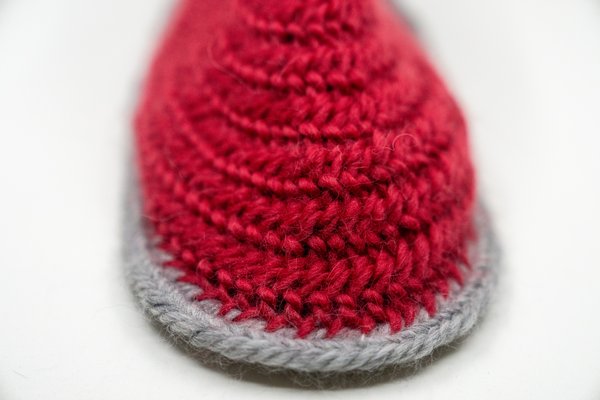
A pair of toe socks found in Egypt, dated to somewhere between 300 and 500 CE, are the oldest surviving textile made with nalbinding. The technique is older than knitting, tougher than knitting, and produces fabric that literally cannot unravel.

February 20, 2026
NalbindingFiber Arts
Starting to Weave: Frame Looms and First Projects
Weaving

Starting to Weave: Frame Looms and First Projects

Frame looms cost $15-45 and produce finished weavings in 2-4 hours. No floor space, no complex warping, no multi-shaft confusion. Just warp threads, a shuttle, and the fundamental over-under pattern that creates cloth.

November 1, 2025
frame loomweaving
Understanding Rigid Heddle Looms: Dents, Warping, and What These Terms Actually Mean
Weaving

Understanding Rigid Heddle Looms: Dents, Warping, and What These Terms Actually Mean

Rigid heddle looms use dent size to determine fabric density - 8 dent makes chunky fabric, 12 dent creates finer weaves. Understanding heddle mechanics, warping sequence, and yarn-to-dent matching matters more than loom brand or price.

November 1, 2025
rigid heddle loomheddle
Why Wool Felts and Cotton Doesn't: Natural Fiber Behavior Explained
Weaving

Why Wool Felts and Cotton Doesn't: Natural Fiber Behavior Explained

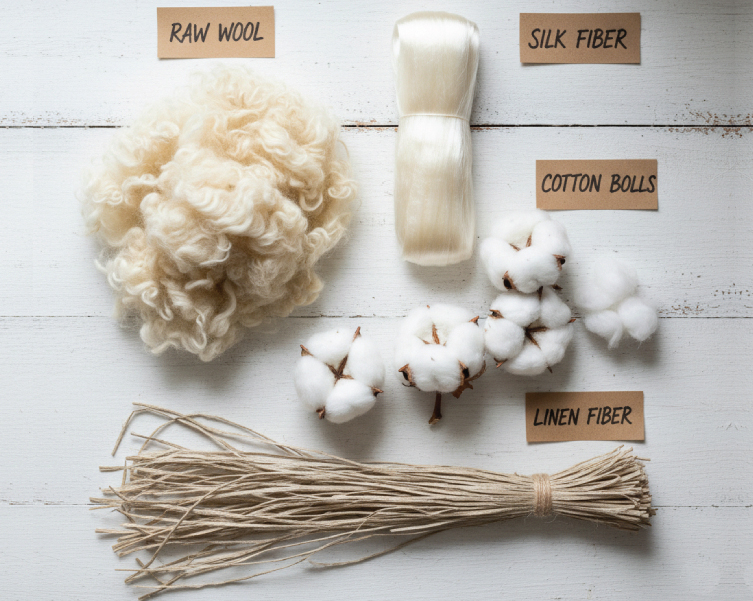
Wool felts and takes dye easily. Cotton resists both. Silk is strong and lustrous. Linen is stiff until it softens. Each natural fiber behaves differently on the loom, in the dye bath, and in finished textiles.

October 23, 2025
natural fiberswool
The Reality of Indigo: What Makes It Different
Weaving

The Reality of Indigo: What Makes It Different

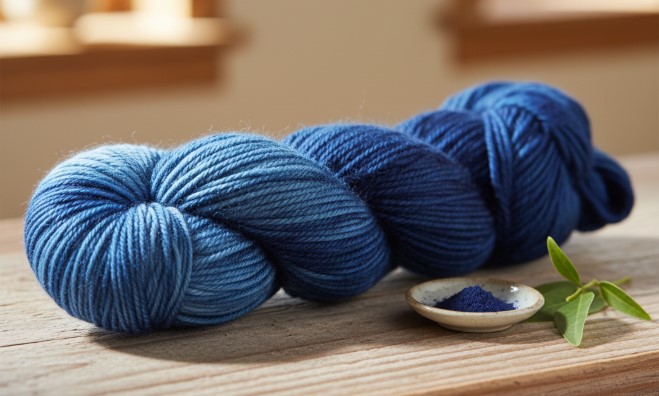
Indigo is the only natural dye that requires fermentation to work. Here's why this blue pigment has its own category in dyeing, and what makes the process so different from every other natural dye.

October 23, 2025
indigonatural dyes
What Yarn Works for Rigid Heddle Looms? (Spoiler: Probably Yours)
Weaving

What Yarn Works for Rigid Heddle Looms? (Spoiler: Probably Yours)

The yarn doesn't know whether you're knitting or weaving with it. But the terminology will make you question everything.

October 8, 2025
weavingrigid heddle loom
Rigid Heddle vs Floor Loom: The Projects That Change the Equation
Weaving

Rigid Heddle vs Floor Loom: The Projects That Change the Equation

The difference between rigid heddle and floor looms isn't about better or worse - it's about which projects make one absolutely necessary and which make the other a waste of space.

October 8, 2025
rigid heddle loomfloor loom
When Rigid Heddle Width Actually Matters
Weaving

When Rigid Heddle Width Actually Matters

Loom width matters exactly three times in your weaving life. The rest is marketing poetry about versatility and project possibilities.

October 8, 2025
rigid heddle loomweaving
Warping Direct vs Indirect: Time and Tension Trade-offs
Weaving

Warping Direct vs Indirect: Time and Tension Trade-offs

Direct and indirect warping aren't beginner versus advanced techniques. They're completely different approaches with distinct time investments and tension characteristics that show up in different places.

October 8, 2025
weavingrigid heddle loom
The Four Languages of Rigid Heddle Loom Patterns
Weaving

The Four Languages of Rigid Heddle Loom Patterns

Rigid heddle loom patterns speak four different languages, none of them standardized. Here's what all those squares, symbols, and cryptic abbreviations actually mean.

October 7, 2025
rigid heddle loomweaving patterns
A Buyer's Guide to Rigid Heddle Looms
Weaving

A Buyer's Guide to Rigid Heddle Looms

This is a complete guide to rigid heddle looms. Learn how to get started with weaving from this in-depth analysis of Schacht and Ashford models.

October 2, 2025
weavinglooms
Yarn Weights and Rigid Heddle Dent Sizes: What the Numbers Mean
Weaving

Yarn Weights and Rigid Heddle Dent Sizes: What the Numbers Mean

A factual breakdown of yarn weight classifications and rigid heddle dent sizes. Learn what the measurements mean and how manufacturers determine compatibility.

September 29, 2025
weavingyarn