Pottery

Discover 3 posts about pottery

Earthenware vs Stoneware: What Clay Temperature Actually Changes
Pottery

Earthenware vs Stoneware: What Clay Temperature Actually Changes

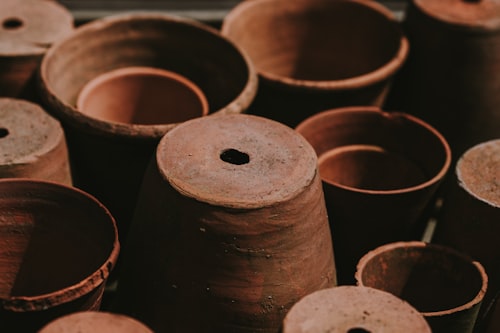
Earthenware fires below about 2,100°F and stays porous. Stoneware fires above that and vitrifies — the clay body partially melts into a glassy, watertight material. The temperature difference is roughly 200°F. What it changes about the resulting object is almost everything.

April 23, 2026
Burnished Pottery: The Glaze That Isn't a Glaze
Pottery

Burnished Pottery: The Glaze That Isn't a Glaze

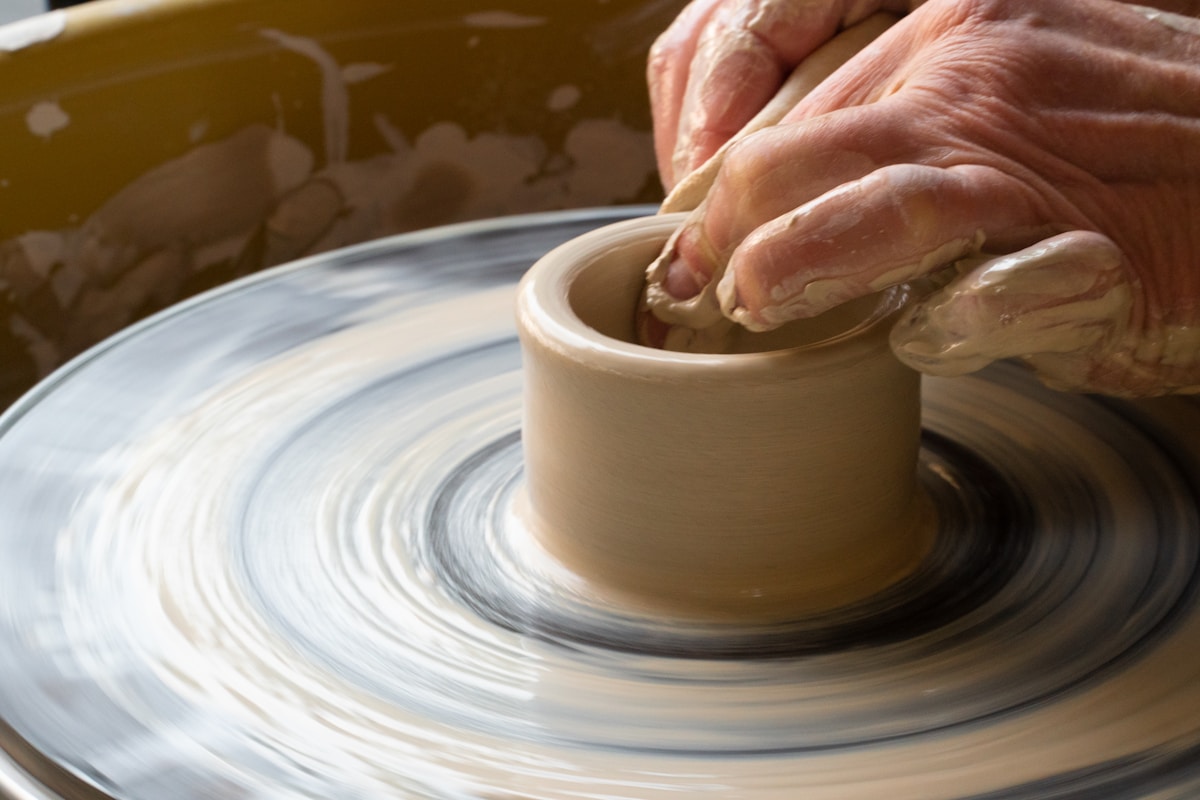
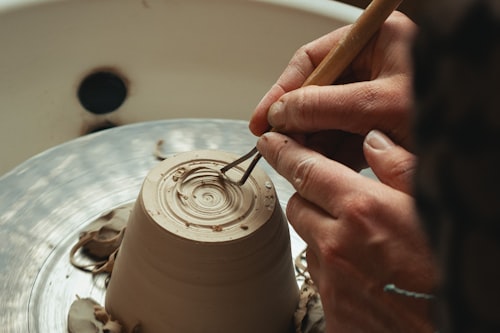
Burnishing is the process of polishing leather-hard clay with a smooth tool until the surface compresses and begins to reflect light. No glaze is involved. The shine comes from the clay itself, and it survives firing to produce a surface that has been valued for ten thousand years.

April 20, 2026
Pit Firing: The Oldest Kiln Is Just a Hole in the Ground
Pottery

Pit Firing: The Oldest Kiln Is Just a Hole in the Ground

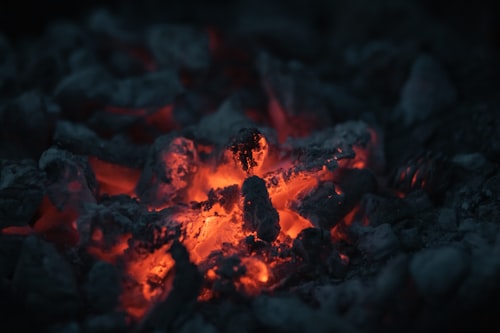
Pit firing is the oldest firing method for ceramics. A hole is dug, pots are stacked inside with combustible material, the pit is lit and covered. What emerges, after hours of burning and cooling, carries flame markings, carbon flash, and the colors of whatever was in the pit with it.

April 17, 2026